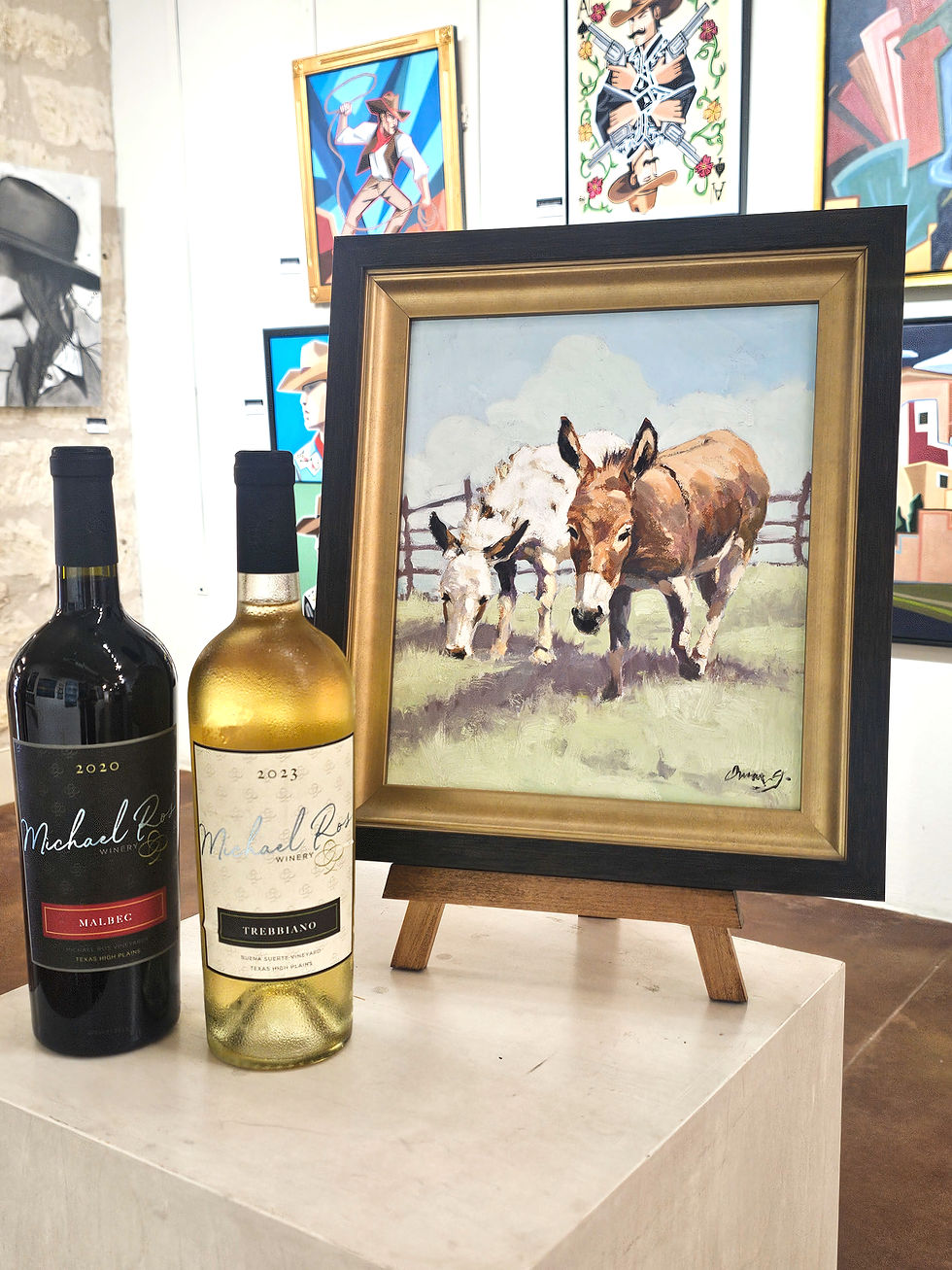
Mastering Depth with Impasto Painting

Impasto painting is a captivating art form that adds a tactile dimension to your work. By applying thick layers of paint, artists create a rich texture that brings paintings to life. This technique allows for dramatic light play and depth, making the artwork visually striking and emotionally engaging. Whether you are a seasoned painter or just starting, mastering impasto texture techniques can elevate your art to new heights.
Understanding Impasto Texture Techniques
Impasto texture techniques involve applying paint thickly so that brush or palette knife strokes are visible. This method creates a three-dimensional effect on the canvas, adding depth and movement. The thickness of the paint can vary, but the key is to maintain a raised surface that catches light differently than flat paint.
Artists often use oil or acrylic paints for impasto because of their thick consistency. The texture can be built up gradually or applied in bold, sweeping strokes. This technique is perfect for emphasizing certain areas of a painting, such as the highlights on a flower petal or the rough bark of a tree.
Benefits of Using Impasto Texture Techniques
Enhanced Depth: The raised paint creates shadows and highlights naturally.
Expressive Brushwork: Visible strokes add emotion and energy.
Tactile Quality: Viewers can almost feel the texture, making the artwork more engaging.
Light Interaction: The uneven surface reflects light in unique ways, changing the painting’s appearance throughout the day.

How to Paint with Impasto for Beginners?
Starting with impasto painting can be exciting but requires some preparation. Here are practical steps to help beginners get comfortable with this technique:
Choose the Right Materials
Use heavy-bodied acrylics or oil paints. These have the thickness needed for impasto. Also, select a sturdy canvas or board that can support the weight of the paint.
Select Your Tools
Palette knives are ideal for spreading thick paint and creating texture. Brushes with stiff bristles can also be used to apply and shape the paint.
Prepare Your Workspace
Impasto painting can be messy. Cover your work area and wear old clothes or an apron.
Start with a Sketch
Lightly sketch your composition on the canvas. This will guide your thick paint application.
Apply Paint in Layers
Begin with a base layer and let it dry slightly. Then add thicker layers on top, building texture gradually.
Experiment with Techniques
Try dabbing, swirling, or scraping the paint to create different effects. Don’t be afraid to make bold strokes.
Let It Dry Properly
Thick paint takes longer to dry. Allow ample drying time to avoid smudging.
By following these steps, beginners can confidently explore the impasto painting technique and create textured masterpieces.

Tools and Materials for Impasto Painting
Choosing the right tools and materials is crucial for successful impasto work. Here’s a breakdown of what you need:
Paints: Heavy-bodied acrylics or oil paints are best. They hold their shape and texture well.
Palette Knives: These come in various shapes and sizes. Use them to spread, scrape, and sculpt paint.
Brushes: Stiff bristle brushes help apply thick paint and create texture.
Mediums: Impasto gels or pastes can be mixed with paint to increase thickness and drying time.
Canvas or Board: Use a strong surface that can support heavy paint without warping.
Easel and Palette: A sturdy easel and a palette for mixing colors are essential.
Tips for Selecting Materials
Test different brands of paint to find one with the right consistency.
Use palette knives with comfortable handles for better control.
Experiment with mediums to customize the texture and drying speed.
Having the right materials will make your impasto painting experience smoother and more enjoyable.

Exploring Famous Artists Who Use Impasto
Many renowned artists have embraced impasto texture techniques to add depth and emotion to their work. For example, Vincent van Gogh is famous for his thick, swirling brushstrokes that bring his landscapes and portraits to life. His use of impasto creates a sense of movement and intensity.
Contemporary artists also use this technique to great effect. Lon Brauer, for instance, is known for his expressive use of thick paint layers. His work demonstrates how impasto can be used to convey mood and narrative powerfully. You can explore more about his style and approach to the impasto painting technique.
Studying these artists can inspire you to experiment with your own impasto creations and develop a unique style.
Tips for Mastering Depth in Impasto Painting
Creating depth with impasto requires more than just thick paint. Here are some actionable tips to help you master this:
Vary Paint Thickness: Use thinner layers in the background and thicker layers in the foreground to create a sense of space.
Play with Light and Shadow: Use the raised texture to catch light and create natural shadows.
Use Color Contrast: Bright, warm colors in thick layers can pop against cooler, thinner backgrounds.
Layer Gradually: Build texture in stages to avoid overwhelming the canvas.
Experiment with Tools: Different tools create different textures - try brushes, palette knives, and even unconventional items like sponges.
By combining these techniques, your paintings will have a dynamic, three-dimensional quality that draws viewers in.
Mastering impasto texture techniques opens up a world of creative possibilities. With practice and the right approach, you can add stunning depth and emotion to your paintings. Dive into this tactile art form and watch your work come alive with texture and light.
Are you looking to start or grow your art collection but unsure where to begin?
Our Free digital Guide to Collecting Art is your ultimate resource! Packed with expert insights, practical tips, and must-know strategies, this guide will help you navigate the art world with confidence—whether you're a first-time buyer or a seasoned collector. Discover how to find artwork that resonates with you, invest wisely, and build a collection that stands the test of time.

Download your free guide today and start your journey toward owning meaningful, investment-worthy art. Plus, explore our carefully curated selection of original artwork on
The Good Art Company where you'll find stunning pieces by talented artists, perfect for your home, office, or collection. Don't miss out—shop art now and bring beauty into your space!
Hi there! I'm MK and thank you for reading Mastering Depth with Impasto Painting