Elevate Your Art with Oil Painting Techniques
- Mary Katherine Fickel

- Jul 24, 2025
- 5 min read

Oil painting can be a transformative and enriching artistic experience. The luxurious texture and versatility of oil paints offer artists countless opportunities for expression. Whether you are a beginner or an experienced artist, honing your oil painting skills can elevate your artwork to new heights. In this blog post, we will explore various oil painting techniques, tips for selecting materials, and step-by-step guides to make your painting process enjoyable and rewarding.
Understanding Oil Painting Skills
Before diving into painting, it is essential to familiarize yourself with some fundamental oil painting skills. These core skills will lay the groundwork for successful and enjoyable artwork. One essential skill is understanding how to mix colors effectively. The oil painting medium allows for a wide range of colors, and mastering color theory will enable you to create stunning effects on your canvas.
Another skill to develop is layering techniques. Oil paint takes longer to dry than other mediums, allowing artists to build up layers of color and texture. Learning how to layer your paint properly will give your artwork depth and vibrancy.
Essential Materials for Oil Painting
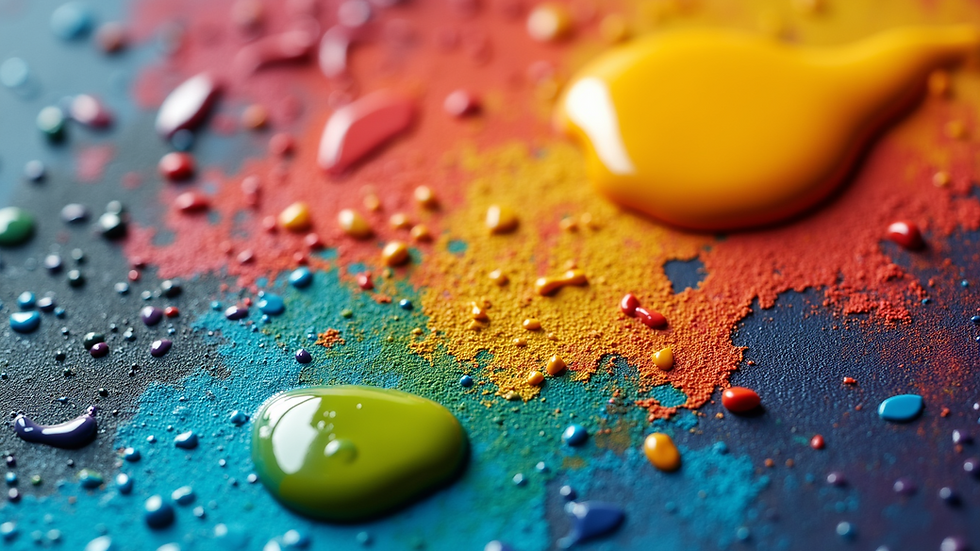
To get started with oil painting, you need to gather quality materials. Here’s a list of essential supplies that every oil painter needs:
Oil Paints: Choose a set of high-quality oil paints. Brands like Winsor & Newton and Gamblin offer excellent options for artists of all levels.
Brushes: A variety of brushes; flat, round, and fan-shaped will help you achieve different effects. Opt for synthetic or natural bristle brushes depending on your painting style.
Palette: A sturdy palette, made of wood or glass, will serve as your mixing surface.
Canvas: Stretch your canvas or get pre-stretched canvases that suit your painting style. Choose flat or textured surfaces based on your preference.
Solvent and Medium: Use turpentine or odorless mineral spirits for cleaning brushes, along with linseed oil or other oil mediums to change the paint’s consistency and drying time.
Palette Knife: A palette knife can extend the range of your creativity by offering unique textures and applying paint directly to the canvas.
Investing in these quality materials can significantly impact your oil painting skills and overall artwork.
How to Begin an Oil Painting?
Starting an oil painting can feel daunting, but breaking the process down into steps can simplify it. Here’s a guide to help you initiate your oil painting journey:
Prepare Your Workspace: Set up a well-lit, comfortable painting area. Organize your materials and ensure you have enough space to work freely.
Sketch Your Composition: Start with a light sketch of your subject on the canvas. This will serve as a guide while painting. You can use graphite, charcoal, or thinned paint for this step.
Apply a Base Layer: Begin with an underpainting in a single color, typically a warm tone like burnt sienna or yellow ochre. This layer provides a foundation for the colors to follow.
Start with the Background: Paint the background first, using larger brushes for broader strokes. This will help establish depth relationships among elements in your painting.
Add Foreground Elements: Gradually layer your foreground elements. Work from dark to light and pay close attention to shapes and colors.

Focus on Details: Once the fundamental layers are complete, use smaller brushes to add intricate details. This is where your oil painting techniques, like glazing and scumbling, come into play.
Finishing Touches: After allowing your painting to dry, you can add final highlights and glazes to enhance depth and luminosity.
Varnish Your Painting: Once fully dry, consider applying a varnish to protect your work and add a polished finish.
Experimenting with Advanced Techniques
As you gain confidence with the basics, you may want to experiment with advanced oil painting techniques to add depth and intrigue to your artworks:
Glazing: This technique involves applying a thin, transparent layer of paint over a dry layer. It allows for luminosity and depth, making colors appear more vibrant.
Impasto: This technique adds texture to your painting. You can achieve it by applying thick layers of paint with a palette knife or a brush. The raised surface can create stunning visual interest.
Sfumato: Famous in works by Leonardo da Vinci, sfumato involves blending colors and tones seamlessly to create soft edges and transitions. This technique can add depth to portraits or landscapes.

Joining a community
Finding an oil painting community can provide support, inspiration, and motivation. You can join local art classes, workshops, or online forums where fellow artists share their experiences and artwork. Instagram and Pinterest can also be excellent platforms to discover new techniques and exchange ideas with other creators.
Practicing Regularly
To truly elevate your oil painting skills, make it a habit to paint regularly. Set aside time each week to practice different techniques, work on smaller studies, or complete larger pieces. The more you devote time to honing your craft, the more confident you will become.
Your Unique Style Awaits
Remember, every artist has a unique voice. Don’t be afraid to explore different styles and techniques to find what resonates with you. With patience, practice, and dedication, your oil painting skills will flourish, allowing you to create stunning works of art that reflect your individuality.
Now, delve into the world of oil painting techniques and discover how they can help you elevate your art!
By focusing on mastering fundamental skills, experimenting with various techniques, and connecting with other artists, you can develop a more profound understanding of oil painting. Enjoy the journey of creation and watch your artistic expression flourish!
Are you looking to start or grow your art collection but unsure where to begin?
Our Free digital Guide to Collecting Art is your ultimate resource! Packed with expert insights, practical tips, and must-know strategies, this guide will help you navigate the art world with confidence—whether you're a first-time buyer or a seasoned collector. Discover how to find artwork that resonates with you, invest wisely, and build a collection that stands the test of time.

Download your free guide today and start your journey toward owning meaningful, investment-worthy art. Plus, explore our carefully curated selection of original artwork on
The Good Art Company where you'll find stunning pieces by talented artists, perfect for your home, office, or collection. Don't miss out—shop art now and bring beauty into your space!
Hi there! I'm MK and thank you for reading Elevate Your Art with Oil Painting Techniques